European cars can hide problems in ways that make a quick once-over feel misleading. The car may still feel tight. The warning light may come and go. The leak may leave no puddle. A small rattle might only happen on a cold start, then disappear before anyone gets the hood open.
That is where experience with these vehicles matters.
A European car mechanic is not looking at the symptom by itself. They are looking at the pattern behind it, the model history, the service records, the scan data, and the small clues that are easy to miss if you do not work on these cars often.
They Know The Common Failure Patterns
Every brand has patterns. BMW cooling system parts, Audi and Volkswagen oil leaks, Mercedes suspension concerns, MINI timing and cooling issues, Volvo PCV problems, and Porsche misfire or oil leak clues all have their own habits.
That does not mean every car gets the same repair. It means the mechanic knows where to look first and what not to overlook. A faint coolant smell, for example, may point toward a small seep that dries before it hits the ground. A light oil film near a filter housing may explain a smell the driver only notices after parking.
We see these patterns often enough to know that the smallest clue may be the one that saves time.
They Use The Right Scan Tools And Data
European vehicles often store useful information in modules that a basic scanner may not read well. Engine, transmission, ABS, air suspension, body control, battery management, comfort systems, and manufacturer-specific modules can all hold clues.
A generic scan might only show one code. A deeper scan may show voltage history, misfire counters, adaptation values, transmission behavior, sensor readings, or communication faults. That extra information can change the repair plan.
The code is not the answer. It is the door into the system that noticed the problem.
They Understand Fluid And Oil Requirements
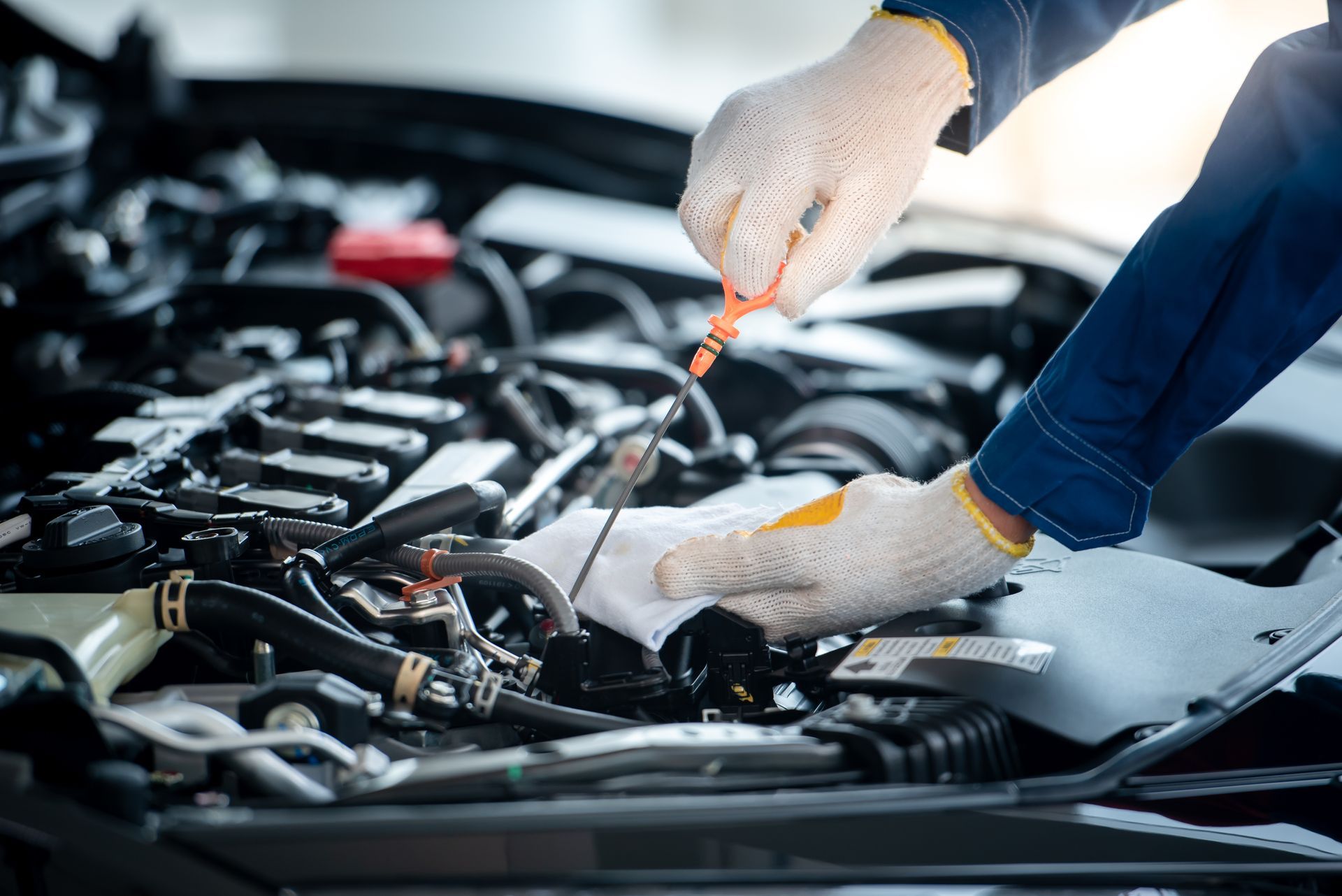
European cars can be picky about fluids. Oil specification, coolant type, transmission fluid, brake fluid, differential fluid, and power steering fluid on equipped vehicles all matter. Using the wrong fluid may not create an immediate failure, but it can affect seals, shifting, cooling, timing systems, and long-term wear.
A European car mechanic checks more than the label that says 5W-30 or coolant. The manufacturer's approval matters. The service procedure matters too. Some transmissions require fluid temperature checks during service. Some cooling systems need careful bleeding. Some batteries need registration after replacement.
These details sound small until the wrong shortcut creates a second problem.
They Notice Leaks Before They Become Obvious
European cars often have underbody shields, tight engine bays, and covers that hide leaks from a glance. Oil and coolant can collect on trays, spread across the underside, or dry on hot parts long before a driver sees a spot on the driveway.
The first clue may be a smell, crusty residue, dampness around a gasket, or grime stuck to fresh fluid. A mechanic who knows the model will look at the usual leak points and trace the leak from the highest fresh source, not the mess at the bottom.
That is how a small gasket seep gets found before it turns into low fluid, smoke, or a warning light.
They Know When A Symptom Is Being Caused Somewhere Else
European vehicles share information between systems. One weak battery can create several warning messages. A wheel speed sensor can affect traction control, ABS, stability control, and transmission behavior. A vacuum leak can make an oxygen sensor appear to be at fault. A misfire can damage the catalytic converter and create a second code later.
That is where guessing parts gets expensive. Replacing the part named in the code may not fix the reason the code appeared.
Our technicians investigate the cause of the warning. If a sensor is reporting bad information, we want to know whether the sensor failed, the wiring is damaged, or the engine condition is forcing that reading.
They Pay Attention To How The Car Feels
European cars are built to feel precise. A small change in steering, braking, idle quality, shifting, or ride comfort can indicate that something has started to wear. The driver may not know what to call it, but they can usually tell the car feels different.
A clunk over driveway entrances, a slight delay from a dual-clutch transmission, a soft brake pedal, a faint startup rattle, or uneven tire wear can all lead to important findings. A short test drive with the right attention can reveal things that do not show up while the car sits in a bay.
During regular maintenance, those little changes are worth mentioning. They help connect the driver’s experience to what the inspection finds underneath.
They Look At The Whole Vehicle, Not One Complaint
A European car may come in for a warning light, but the real answer may involve battery voltage, oil condition, vacuum leaks, cooling system behavior, or previous repair work. A good inspection examines the complaint and the nearby systems that may be influencing it.
That bigger view matters because these cars are connected. One neglected service can affect several systems. One incorrect part can create symptoms that look unrelated. One missed leak can turn into a much bigger repair later.
Get European Car Service In Spokane Valley, WA, With EuroPro Automotive
If your European car has warning lights, leaks, strange noises, shifting issues, or symptoms other shops have not clearly explained, EuroPro Automotive in Spokane Valley, WA, can take a closer look and find the details that matter.