EV batteries do not stay exactly the same forever, and that is not a defect. Every lithium-ion pack slowly gives up a little usable capacity as it ages, and you usually notice it as a shorter estimated range or a bit more range drop in extreme temperatures.
What matters is the pattern.
What Battery Degradation Looks Like Over Time
Most EV owners first notice degradation in small, boring ways. The range estimate is a little lower on the same commute, and the car may finish a drive at a slightly lower state of charge than it used to. Over months, those small differences add up enough that you start paying attention.
It also does not happen in a perfectly straight line. Many packs lose a bit earlier, then settle into a slower rate, especially if the car is kept in moderate temperatures and charged with reasonable habits. That is why tracking the trend over time is more useful than reacting to one week of range anxiety.
What’s Normal Capacity Loss And What’s A Red Flag
A gradual decline over the years is normal. You will see seasonal swings that feel like degradation but are really temperature effects, winter range loss is real, and summer A/C use can be just as real. If range bounces back when temperatures moderate, the battery did not suddenly heal, your energy use just returned to a familiar baseline.
The red flags are sudden step changes or repeat warnings that point to thermal management or charging limits. If the car suddenly stops accepting normal charge rates, loses range in a short window, or shows battery-related messages, that is not the same as slow aging. That is when it makes sense to get the system checked before you adapt your life around a problem that may be fixable.
Heat Is The Biggest Long-Term Stress
Heat speeds up battery aging, and that part is simple chemistry. Parking in direct sun all day, repeated hot-weather fast charging, and long drives where the pack stays warm for hours all stack heat exposure. Your EV’s thermal system works hard, but it cannot erase the impact of running hot over and over.
The best habit is to reduce heat soak whenever you can. Shade, a garage, and using preconditioning before driving can cut the worst temperature spikes. It also helps cool the cabin while you are still plugged in, since it pulls power from the charger rather than the battery.
State Of Charge Habits That Help Most
A high state of charge is not dangerous, but sitting full for long stretches is harder on the cells than living in the middle of the pack. If you charge to 100 percent every day and the car sits for hours, that is a steady stressor you can avoid without giving up convenience. For many drivers, a daily limit in a moderate range covers normal needs and keeps the battery away from the extremes.
Think of 100 percent as a tool for days you need the distance. Charging to full right before you leave is different from charging to full and letting it sit. Treat battery habits like regular maintenance, not as a strict rule you must obsess over, and you will usually get better long-term consistency.
Fast Charging: Useful, But Not Free
DC fast charging is one of the best parts of EV ownership, and it is designed to be used. The tradeoff is heat and stress, especially if you arrive with a warm pack and charge hard repeatedly in hot weather. The battery management system will protect itself by slowing the charge rate, but the repeated heat cycles still add up over time.
A practical approach is using fast charging when it fits the trip, then leaning on slower charging for day-to-day life. If your car supports preconditioning for charging, use it, because it helps the pack accept energy more efficiently. You will often spend less time at the charger and put less thermal strain on the battery.
Driving, Storage, And The Things People Forget
Short trips are not inherently bad, but constant stop-and-go, heavy acceleration, and high-speed driving increase energy consumption and heat. If the car is already hot and you drive it hard, you are stacking stressors. Smooth driving does not mean slow driving, it means fewer big spikes that heat the pack quickly.
Storage matters too. If the car will sit for weeks, leaving it at a moderate charge level is healthier than leaving it near full or near empty. And if you notice unusual vampire drain or the car waking up constantly, schedule an inspection while the behavior is repeatable, because that is often easier to pinpoint early.
Simple Ways To Reduce Degradation Without Overthinking It
You do not need perfect habits to get good battery life. You need a few consistent ones that match how you actually use the car.
Here are the habits that make the biggest difference for most drivers:
- Park in shade or a garage when you can, especially in summer
- Use daily charge limits that fit your commute, save 100 percent for travel days
- Fast charge when needed, rely on home charging for routine use
- Precondition before fast charging when the vehicle supports it
- Keep tires inflated and alignment in check so the car wastes less energy rolling
None of this is about babying the car. It is about avoiding the easiest sources of unnecessary heat and wasted energy.
Get EV Battery Health Help In Spokane Valley, WA With EuroPro Automotive
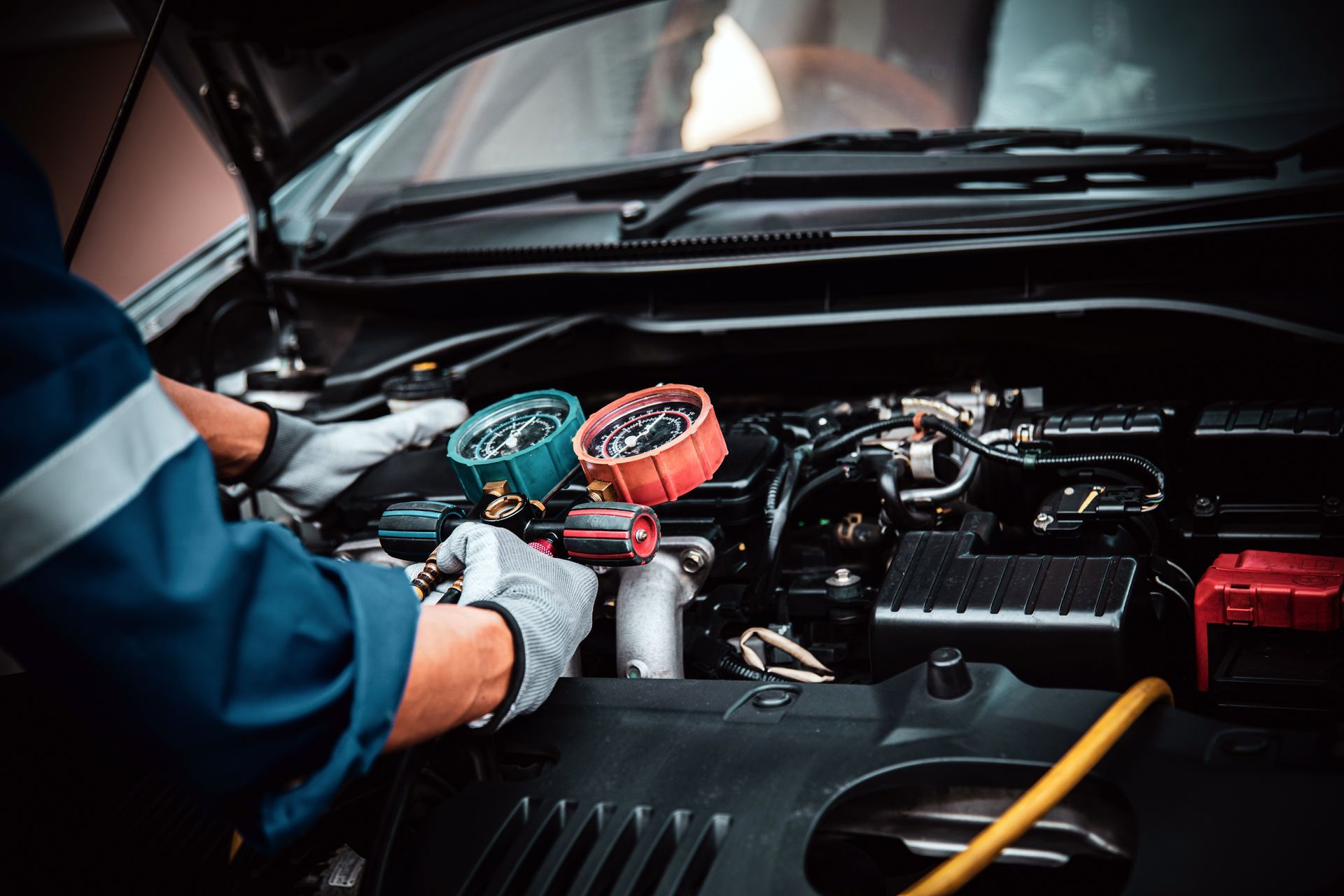
If you want to understand what your battery is doing and how your charging and temperature habits affect it, the right next step is reviewing data trends and checking the thermal and charging systems for anything that is out of spec. Schedule service with EuroPro Automotive in Spokane Valley, WA, and we’ll help you build a practical battery care plan that fits your driving.
You should feel confident about your range in every season.