Watching your oil level drop can mess with your confidence in the car. You might not see a puddle, the dashboard light is not on, and yet you keep adding oil between services. That’s when most drivers start asking the real question, where is it going?
The answer usually falls into two buckets: the engine is leaking oil externally, or it’s consuming oil internally. The right fix depends on which one you’re dealing with, so let’s walk through what each looks like in real life.
Oil Loss Basics: Leak Vs Consumption
An oil leak means oil is escaping the engine and ending up on the outside of the engine, on the underside, or on the ground. Even small leaks can spread, since oil can travel along surfaces and drip from a completely different spot than where it started.
Oil consumption means the engine is burning oil during combustion. That oil never makes it to the driveway, so it can feel like it vanished. Some consumption is normal on certain engines, but frequent top-offs usually mean something has changed or worn enough to matter.
What An Oil Leak Usually Looks Like
Leaks often leave physical clues, but they are not always obvious. You might see spots on the driveway overnight. You might smell hot oil after driving if it’s dripping onto a warm exhaust area. You may notice oily residue on the lower engine, the transmission housing area, or the splash shields.
Common external leak sources include valve cover gasket seepage, oil pan gasket seepage, oil filter or filter housing seal issues, and front or rear crank seals. On some vehicles, an oil cooler seal or line seep can also create a slow leak that builds over time.
One reason leaks confuse drivers is that airflow while driving can push oil rearward. By the time it drips, the lowest wet area may not be the actual source.
What Oil Consumption Usually Feels Like Behind The Wheel
Consumption tends to show up through patterns rather than puddles. Some drivers notice a faint burnt-oil odor after longer drives. Others notice the oil level steadily dropping even when the underside looks dry.
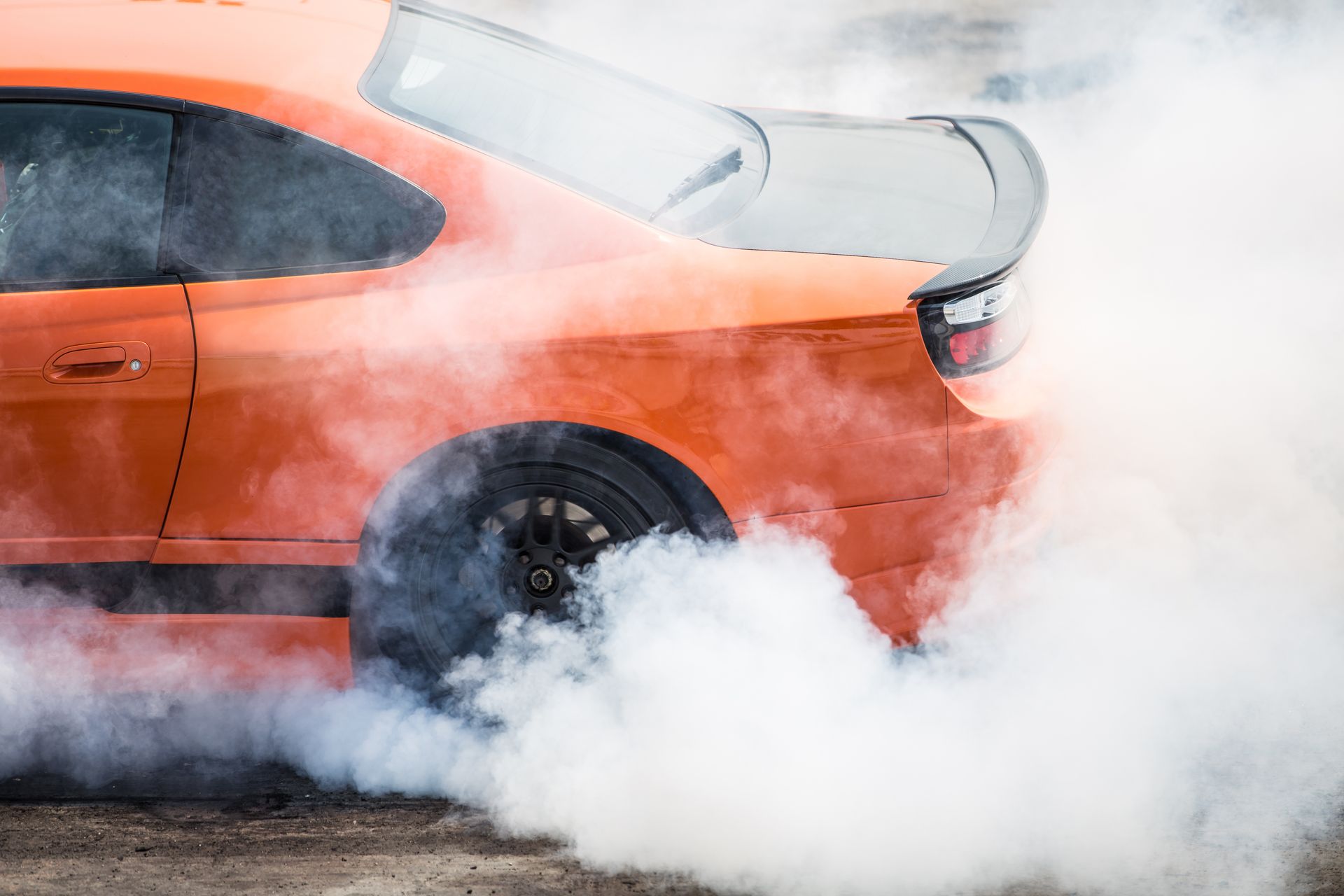
You may see bluish exhaust smoke, but it’s not guaranteed. Oil smoke can appear only at specific moments, like after a long idle, on a cold start, or during a hard acceleration. Spark plugs can foul more quickly in engines that are burning oil, and misfires can show up if it gets bad enough.
Consumption can come from worn piston rings, worn valve stem seals, turbo seals on turbocharged engines, or crankcase ventilation problems that pull oil vapor into the intake.
A Symptom Timeline That Helps You Tell Them Apart
Oil leaks often follow a slow progression. First you get a damp area that collects grime. Then you get occasional drops. After that, you may start smelling oil after driving, or you see repeated spots in the same area where you park.
Oil consumption often feels like a steady habit you did not ask for. You check the dipstick, and it’s lower than expected, again. The exhaust may smell stronger on certain days. You may notice the car uses more oil on highway trips or after lots of stop-and-go driving.
We’ve seen plenty of cases where a driver swore it had to be consumption, only for the real cause to be a leak that dripped only after shutdown and spread across the underbody rather than forming a clear puddle.
Quick Checks That Actually Point You In The Right Direction
You do not need special tools to notice helpful clues. You just need consistency. Check the oil level on the same day of the week and on level ground. Then look for patterns that match either leaking or burning.
Here are practical clues that usually mean something:
- Fresh spots on the ground after parking, especially in the same area each time, often suggests a leak.
- A hot-oil smell after driving, paired with no spots, can be either, but leaks onto hot surfaces are common.
- Smoke from the exhaust after idling, especially once the engine is warm, can lean toward consumption.
- Oil residue around the lower engine and splash shields often points to a leak that’s spreading.
- Oil level dropping faster on long highway trips can happen with consumption, since the engine is under steady load longer.
If the dashboard oil warning comes on, do not keep driving and hope it clears. Low oil pressure situations can cause damage quickly.
Why It Matters To Fix The Right Problem
Leaks can damage rubber components, soften bushings, contaminate belts, and create a mess that hides other problems. Consumption can foul plugs, stress the catalytic converter, and slowly degrade drivability. Either one can turn into a much bigger bill if the oil level gets too low.
The good news is that the right diagnosis usually prevents the cycle of topping off oil and crossing your fingers. Once you know which path you’re on, the repair plan becomes much clearer.
Get Oil Leak And Consumption Diagnostics in Spokane Valley, WA, with EuroPro Automotive
We can inspect for external leaks, check the common failure points, and confirm whether your engine is consuming oil internally. We’ll explain what we find and recommend the repair that matches the actual cause, not a generic parts list.
Call
EuroPro Automotive in Spokane Valley, WA, to schedule an oil loss inspection and get back to a reliable oil level between services.